Redesign strategy
Current-site review, content and analytics assessment, SEO risk review, audience journeys, and a prioritized redesign scope.


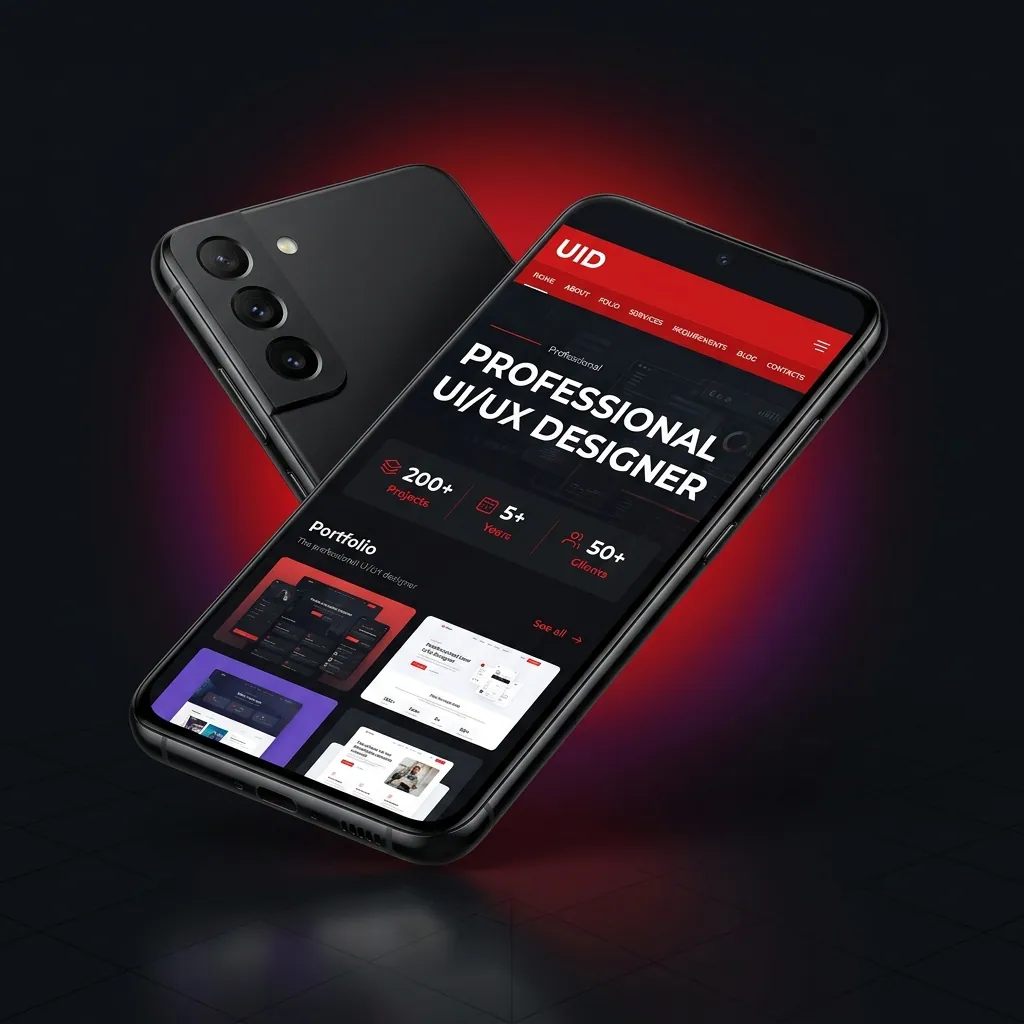
Website Redesign & Modernization
Turn an existing website into a stronger commercial asset without losing the search equity, content, and functionality that already work.
The Opportunity
Many redesigns are approached as a visual refresh, yet most of the value comes from structure: clearer messaging, better mobile behavior, faster pages, improved journeys, and foundations that remain easy to update. A redesign is also one of the riskiest moments for SEO if URLs, redirects, and content are not handled carefully.
The engagement starts by reviewing the current site, its content, analytics where available, search visibility, technical setup, brand system, and business priorities. The result keeps what works, replaces what does not, and protects the equity already earned.
The final scope is shaped around your requirements, existing systems, priorities, and responsibilities.
Current-site review, content and analytics assessment, SEO risk review, audience journeys, and a prioritized redesign scope.
Responsive templates, navigation, content hierarchy, component states, and interface copy guidance for key pages.
Frontend rebuild, CMS or platform work, form and integration reconnection, redirects, metadata, and performance improvements.
QA, migration checks, analytics verification, deployment, and post-launch review against the agreed goals.
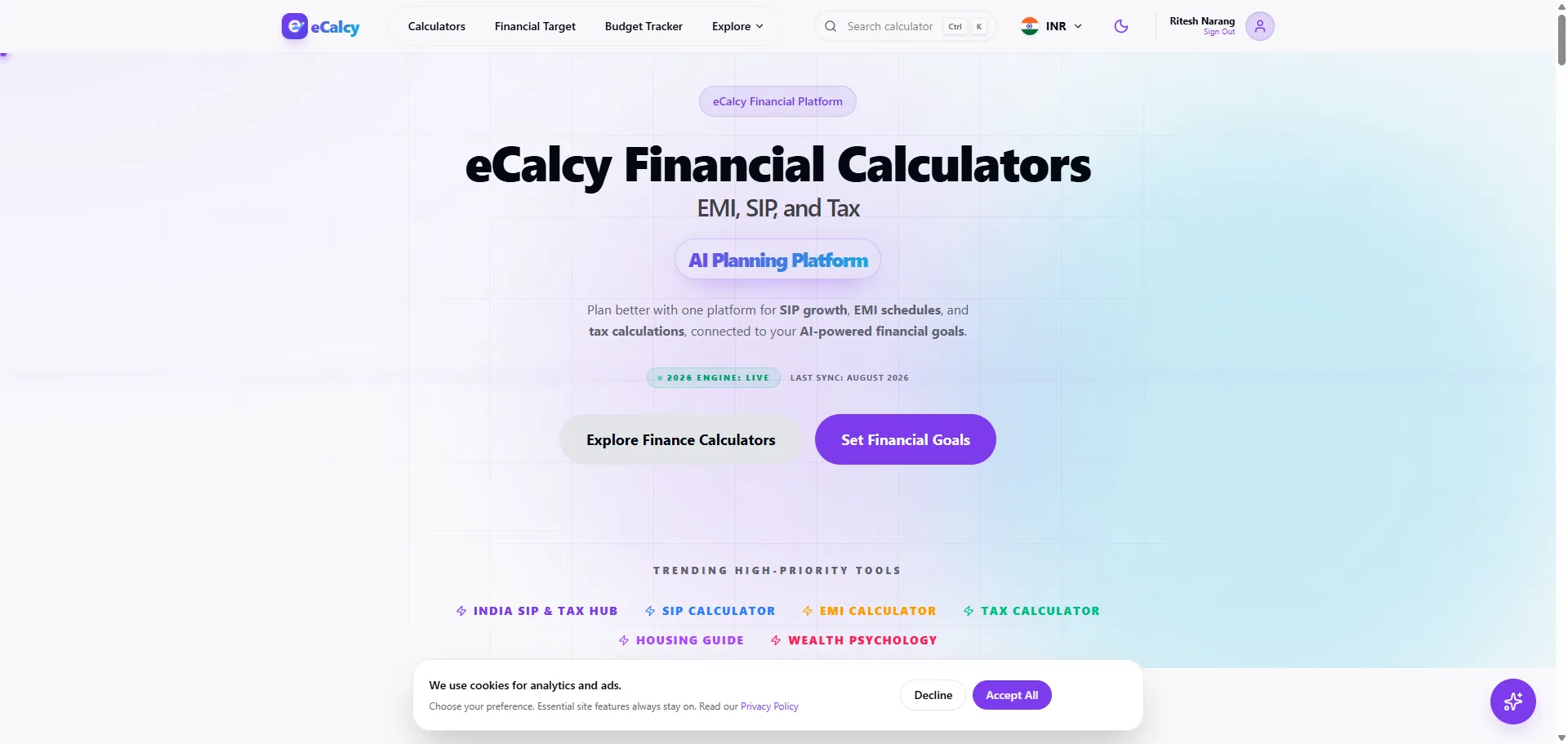
Verified Featured Work
A live website engagement combining information architecture, responsive interface design, and production-ready frontend delivery. The presentation is intentionally limited to details that can be published responsibly.
These areas are made explicit during strategy, design, implementation, and review.
Existing URLs, rankings, backlinks, redirects, metadata, and useful content are reviewed so the redesign does not reset visibility.
Page structure and journeys are organized around real customer questions before visual styling is finalized.
Mobile behavior, Core Web Vitals, asset weight, and perceived speed are treated as design requirements, not afterthoughts.
A redesign can retain working CMS templates, integrations, content, and brand assets where they remain useful, avoiding unnecessary rebuilds.
Layouts, navigation, content, and interactions are planned for phones, tablets, laptops, and larger screens.
Semantic structure, keyboard use, focus states, labels, contrast, and content hierarchy are considered during delivery.
Metadata, headings, crawlable content, structured data where appropriate, and indexing controls are prepared for launch.
Important flows, integrations, responsive states, browser behavior, and deployment configuration are checked before release.
Decisions remain visible from discovery through release and continued improvement.
Clarify the audience, business goal, requirements, constraints, current systems, and measures of success.
Define journeys, content, features, architecture, integrations, responsibilities, and release priorities.
Design responsive flows, components, content hierarchy, interactions, and important product states.
Build the approved scope, connect agreed systems, and keep implementation decisions reviewable.
Test the experience, resolve release issues, prepare metadata and production configuration, and verify deployment.
Use operational feedback and agreed priorities to maintain or extend the released product.
Private Client Workspace
Start with the qualification brief, then use the client portal to review your project, follow its status, share supporting files, and keep project communication connected.
Create a Client AccountCommon Questions
Specific recommendations and estimates follow a review of your brief and technical context.
A carefully managed migration protects visibility. Existing URLs, content, redirects, metadata, and structured data are reviewed before launch so the site retains as much equity as possible.
Yes. The current theme, plugins, content structure, and workflow can be reviewed so the redesign preserves maintainable WordPress editing while modernizing the experience.
Yes. Existing logos, colors, typography, photography, and voice can be retained and refined, or a fuller brand update can be scoped separately.
Absolutely. Redesigning does not mean rebuilding everything. Working content, integrations, templates, and systems are preserved where they still serve the business.
Start With Your Requirements
Share the business context, required services, budget range, and timeline in one structured brief.