Website strategy
Audience priorities, page architecture, customer journeys, content requirements, and a practical release scope.



Business Website Development
Turn your services, expertise, and business priorities into a clear website that supports credibility, discovery, and qualified enquiries.
The Opportunity
Business websites often underperform because their structure follows internal departments rather than customer questions. Visitors need to understand what the company does, who it helps, why its approach is relevant, and what to do next.
The work connects positioning, content hierarchy, responsive interface design, CMS needs, lead paths, technical implementation, and launch preparation. Existing brand and systems can be retained where they remain useful.
The final scope is shaped around your requirements, existing systems, priorities, and responsibilities.
Audience priorities, page architecture, customer journeys, content requirements, and a practical release scope.
High-fidelity page and component designs for key templates, navigation, calls to action, and content states.
Production implementation, CMS configuration where required, forms, analytics, and agreed integrations.
Responsive QA, browser checks, metadata, redirects where relevant, deployment, and production verification.
Verified Featured Work
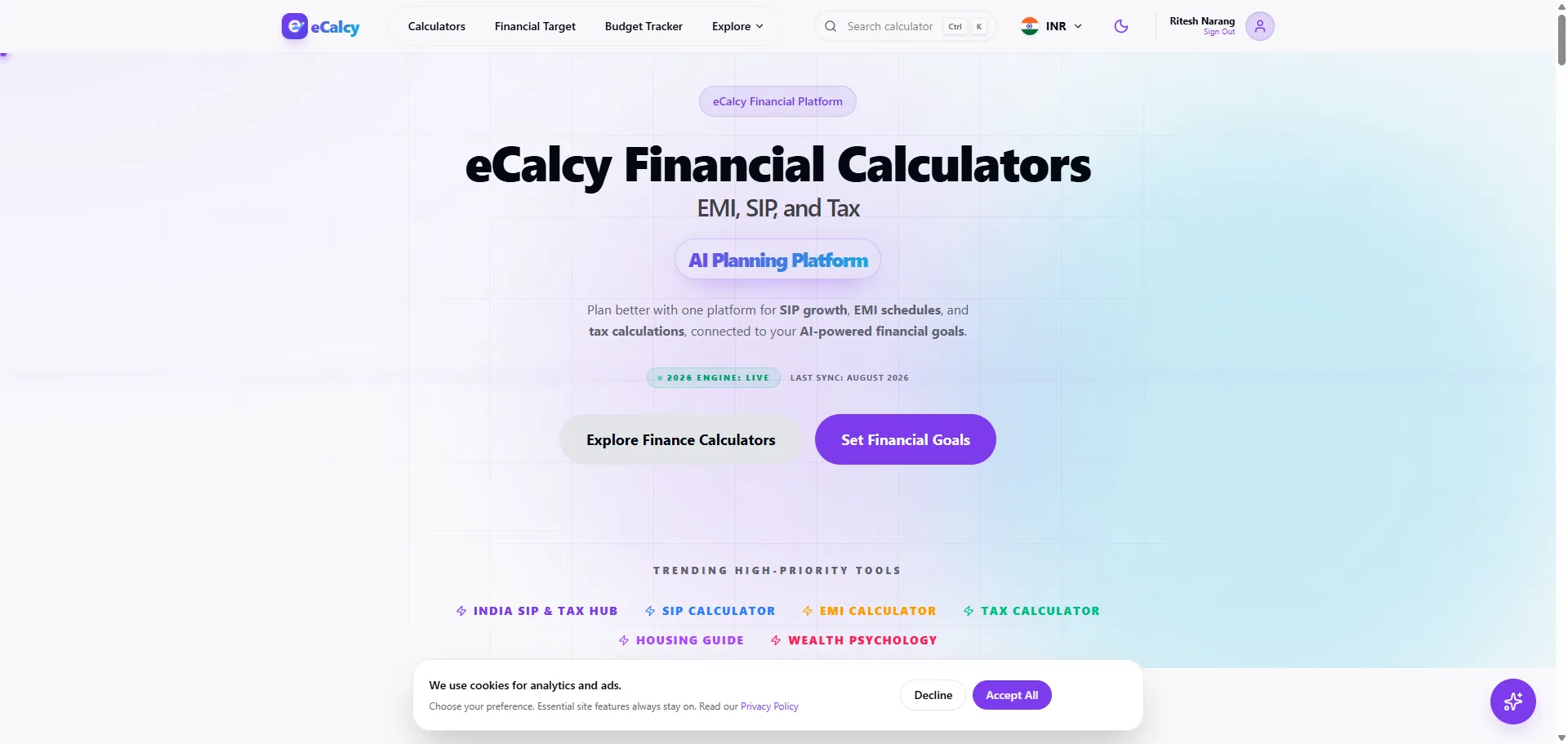
A live website engagement combining information architecture, responsive interface design, and production-ready frontend delivery. The presentation is intentionally limited to details that can be published responsibly.
These areas are made explicit during strategy, design, implementation, and review.
The structure should help visitors understand the offer, audience, evidence, and next step without unnecessary language.
Calls to action, forms, contact options, and supporting content are matched to different levels of visitor intent.
CMS editing, page templates, publishing responsibilities, and future expansion are defined around the team maintaining the site.
For redesigns, current URLs, metadata, useful content, and redirect requirements are reviewed before replacement.
Layouts, navigation, content, and interactions are planned for phones, tablets, laptops, and larger screens.
Semantic structure, keyboard use, focus states, labels, contrast, and content hierarchy are considered during delivery.
Metadata, headings, crawlable content, structured data where appropriate, and indexing controls are prepared for launch.
Important flows, integrations, responsive states, browser behavior, and deployment configuration are checked before release.
Decisions remain visible from discovery through release and continued improvement.
Clarify the audience, business goal, requirements, constraints, current systems, and measures of success.
Define journeys, content, features, architecture, integrations, responsibilities, and release priorities.
Design responsive flows, components, content hierarchy, interactions, and important product states.
Build the approved scope, connect agreed systems, and keep implementation decisions reviewable.
Test the experience, resolve release issues, prepare metadata and production configuration, and verify deployment.
Use operational feedback and agreed priorities to maintain or extend the released product.
Private Client Workspace
Start with the qualification brief, then use the client portal to review your project, follow its status, share supporting files, and keep project communication connected.
Create a Client AccountCommon Questions
Specific recommendations and estimates follow a review of your brief and technical context.
Yes. The current content, analytics where available, search visibility, technical setup, brand system, and business priorities can be reviewed before defining what should be retained or changed.
A CMS or structured content workflow can be included when ongoing editing is required. The right approach depends on the content types, permissions, publishing frequency, and existing platform.
Information architecture, page outlines, content priorities, and interface copy guidance can be included. Full copywriting or specialist subject-matter content should be agreed as a separate deliverable.
The site can be designed around clear service paths, useful calls to action, forms, analytics, and supporting content. Specific commercial results depend on the offer, traffic, market, content, and ongoing activity, so they are not guaranteed.
Start With Your Requirements
Share the business context, required services, budget range, and timeline in one structured brief.