Product narrative
Audience, problem, differentiators, use cases, decision questions, and page architecture organized into a clear journey.



Product Website Development
Present what the product does, who it is for, and how it fits into a customer’s decision with a website designed around evidence and action.
The Opportunity
Product buyers may need to compare capabilities, use cases, specifications, compatibility, pricing models, documentation, or implementation requirements before they are ready to act. The website must organize those questions without overwhelming the visitor.
The engagement aligns positioning, page architecture, product storytelling, interface design, technical delivery, and relevant sales or support integrations around the actual buying journey.
The final scope is shaped around your requirements, existing systems, priorities, and responsibilities.
Audience, problem, differentiators, use cases, decision questions, and page architecture organized into a clear journey.
Responsive product pages, feature sections, comparisons, resources, forms, and supporting component states.
Production frontend, CMS or data connections, forms, analytics, and agreed marketing or sales integrations.
Content and interaction review, responsive QA, metadata, deployment, and production checks.
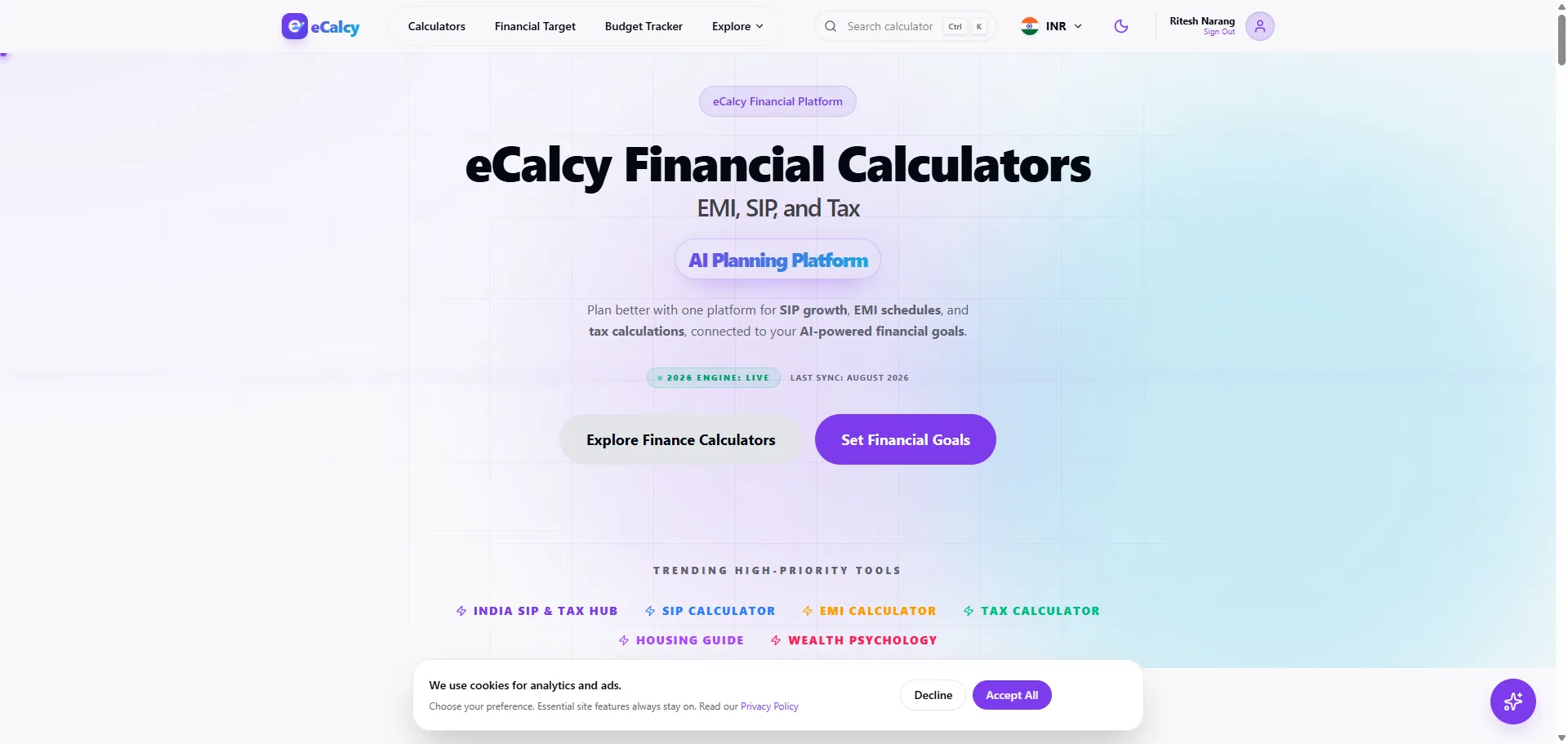
Verified Featured Work
A live website engagement combining information architecture, responsive interface design, and production-ready frontend delivery. The presentation is intentionally limited to details that can be published responsibly.
These areas are made explicit during strategy, design, implementation, and review.
Different buyers, users, and stakeholders may need distinct paths while still seeing one coherent product story.
Specifications, demonstrations, documentation, customer-approved proof, and comparisons are placed where they support evaluation.
Trials, demos, enquiries, purchases, documentation, or support actions are matched to the product’s operating model.
Reusable templates can support future features, releases, integrations, resources, and use-case pages.
Layouts, navigation, content, and interactions are planned for phones, tablets, laptops, and larger screens.
Semantic structure, keyboard use, focus states, labels, contrast, and content hierarchy are considered during delivery.
Metadata, headings, crawlable content, structured data where appropriate, and indexing controls are prepared for launch.
Important flows, integrations, responsive states, browser behavior, and deployment configuration are checked before release.
Decisions remain visible from discovery through release and continued improvement.
Clarify the audience, business goal, requirements, constraints, current systems, and measures of success.
Define journeys, content, features, architecture, integrations, responsibilities, and release priorities.
Design responsive flows, components, content hierarchy, interactions, and important product states.
Build the approved scope, connect agreed systems, and keep implementation decisions reviewable.
Test the experience, resolve release issues, prepare metadata and production configuration, and verify deployment.
Use operational feedback and agreed priorities to maintain or extend the released product.
Private Client Workspace
Start with the qualification brief, then use the client portal to review your project, follow its status, share supporting files, and keep project communication connected.
Create a Client AccountCommon Questions
Specific recommendations and estimates follow a review of your brief and technical context.
Yes. The exact page structure and integrations differ, but both need clear audience journeys, product information, evidence, responsive design, and maintainable content.
Agreed integrations can be scoped for forms, CRM, analytics, product data, documentation, trials, demos, or other systems after access and technical constraints are reviewed.
Yes. Existing brand assets, design systems, product UI, content, and technical constraints can be reviewed so the public website feels connected without forcing an unnecessary redesign.
The site can structure and present approved evidence. Product claims, results, customer names, quotations, and case-study details must come from information the business can substantiate and publish.
Start With Your Requirements
Share the business context, required services, budget range, and timeline in one structured brief.